
Robotics Industry cover β€” CNC machining services

Industry

Robotics Industry Solutions

CNC Machining Β· Rapid Prototyping Β· Assembly

96.9%
Perfect orders
100M+
Parts manufactured
60+
Industries served
5 days
Avg. prototype turnaround

Kintec CNC services accelerate robotics development by delivering precise, efficient and flexible manufacturing for every joint, gear, housing and drivetrain component β€” from prototype through high-volume production.

Applications

What we make for robotics

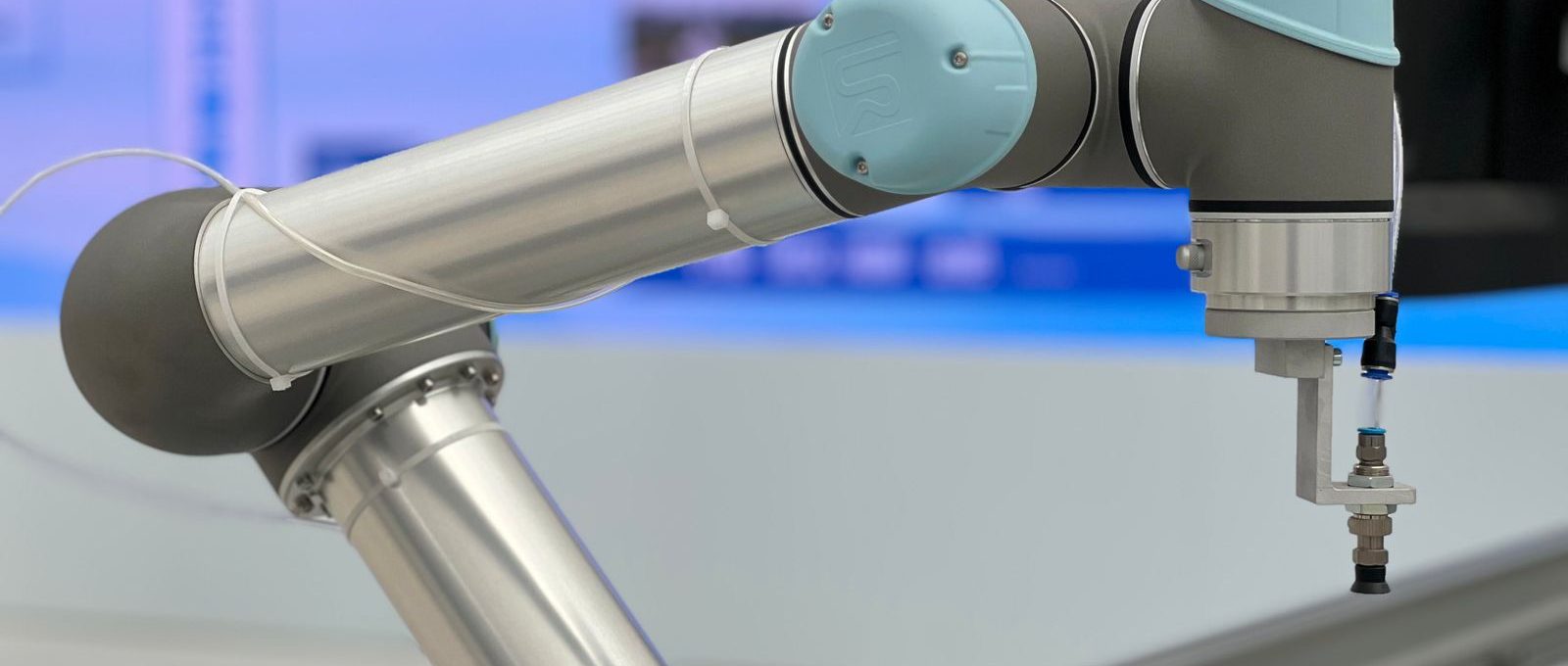
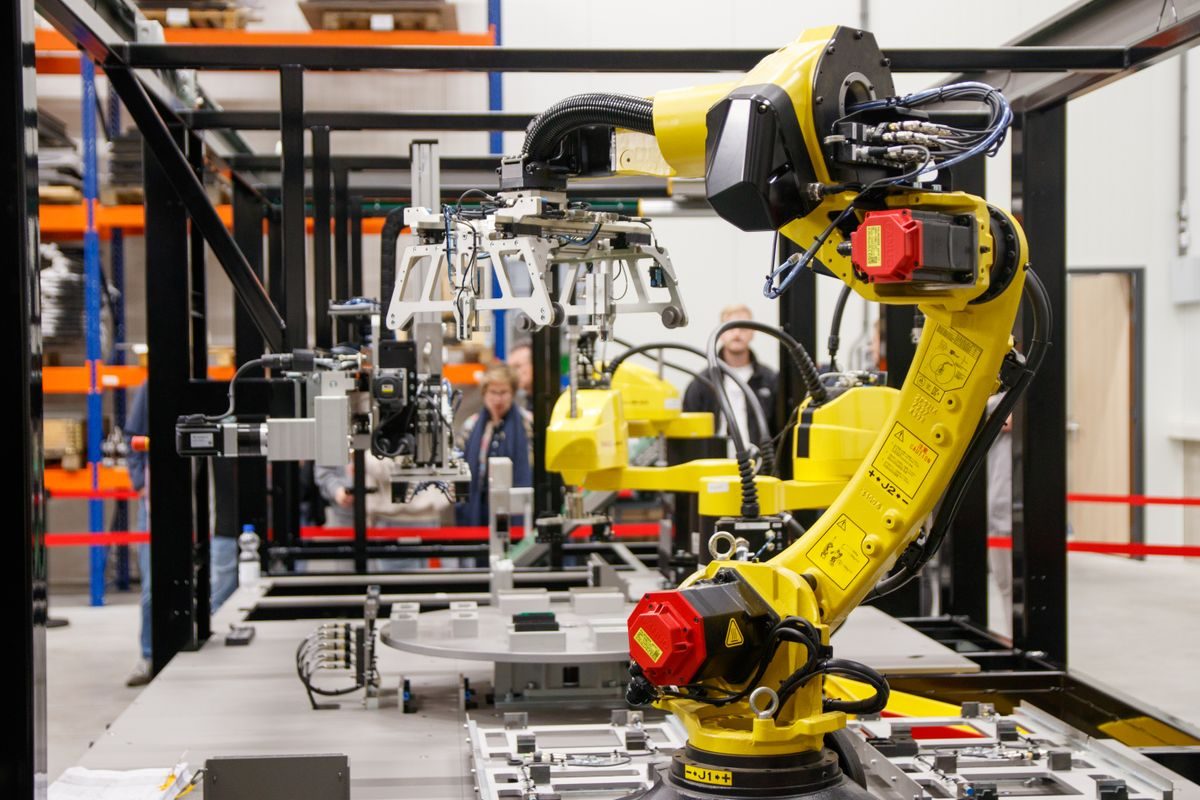
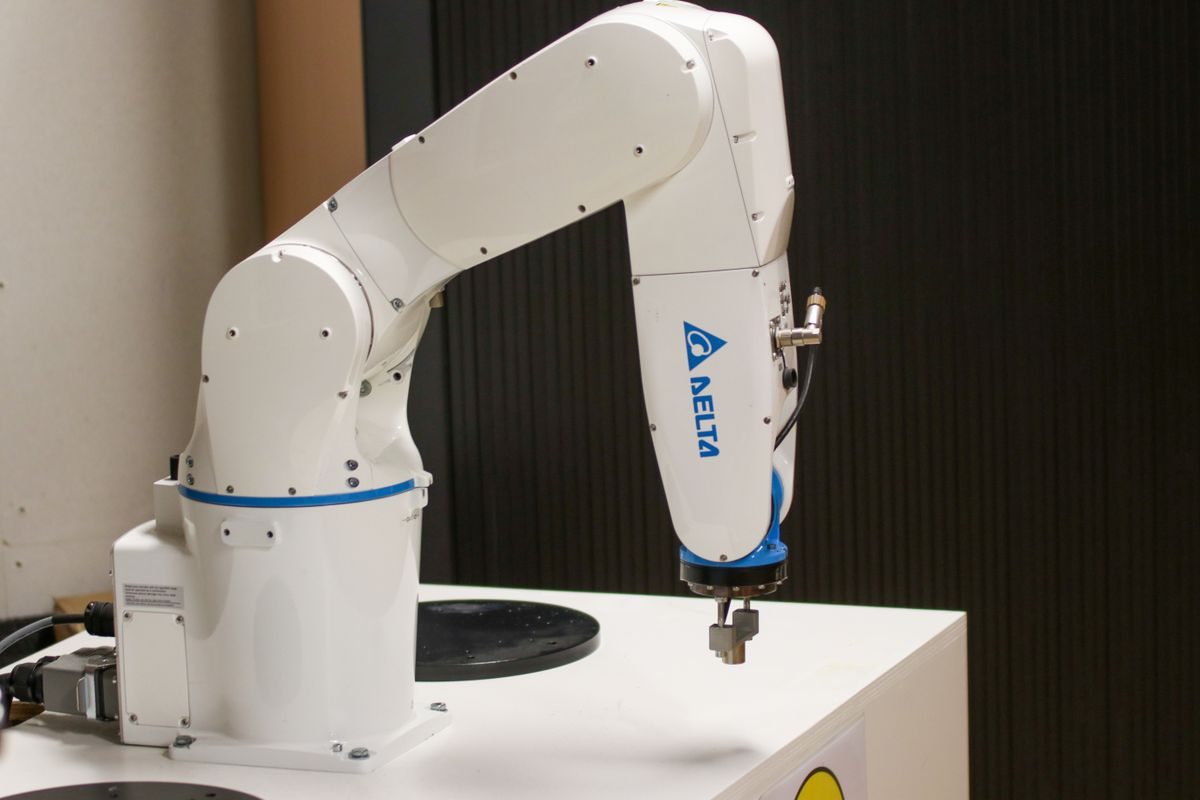
Robotic arm joint housing and linkage components

Robotic Arm Components

Joint housings, linkage arms, and structural brackets for 6-axis industrial robots and collaborative robots (cobots). We hold Β±0.01 mm on bearing seats and dowel features, with surface finishes matched to your assembly specification β€” bead-blast, anodize or plate as required. Every batch ships with dimensional report and EN 10204 material certs. Common alloys: 7075-T6 aluminum, 17-4 PH stainless, with hardcoat anodizing for wear resistance on pivot surfaces. For cobot applications we minimize mass with thin-wall features and pocket machining while maintaining the stiffness-to-weight ratio your force-control loop requires.

ROV thruster housing and underwater manipulator arm

Underwater ROV & AUV

Thruster housings, manipulator arm segments, pressure vessel end-caps and cable penetrators for remotely operated and autonomous underwater vehicles. Our parts stand up to corrosion and pressure at depth β€” 316L stainless and titanium are routine, with electropolished sealing faces to Ra 0.4 Β΅m for leak-free hydraulic interfaces. We hold Β±0.02 mm on O-ring groove dimensions and dowel alignment, and we can coordinate NDT (dye penetrant, ultrasonic) on critical pressure boundaries before the lot ships. Every part ships with full material traceability back to mill heat numbers and pressure-test records where required by your classification society.

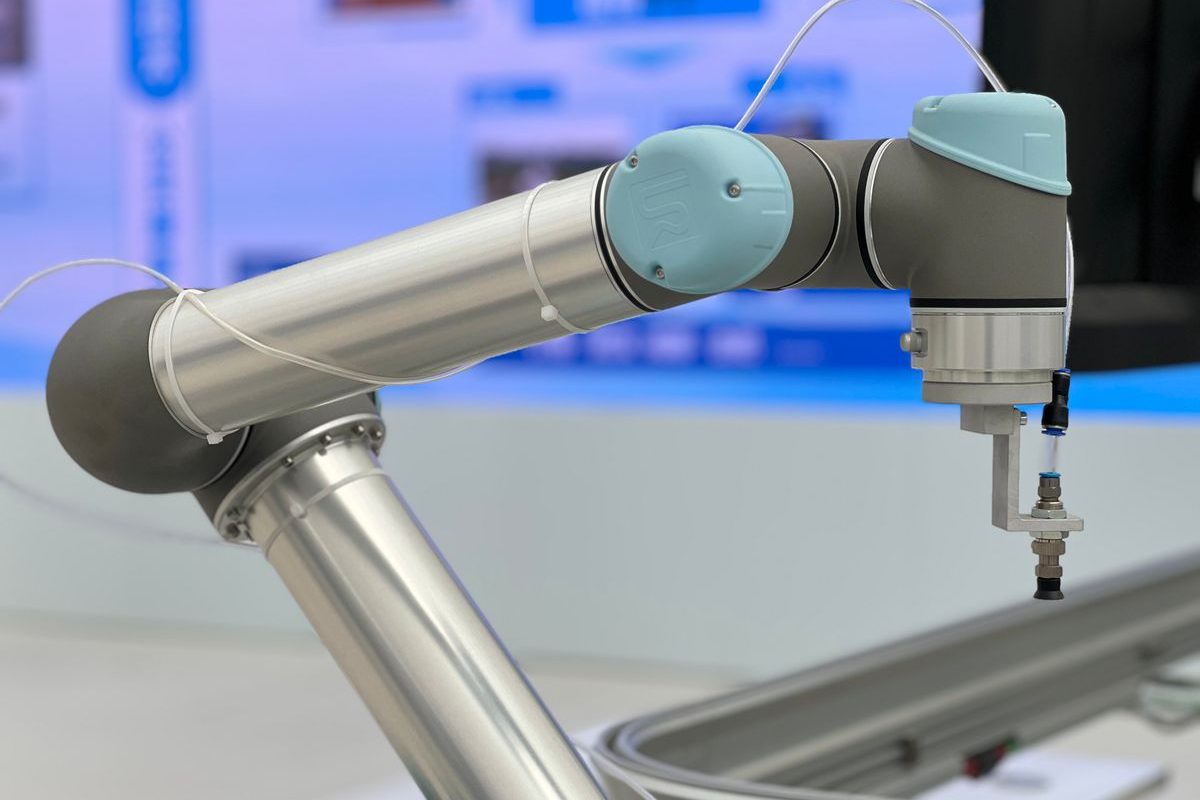
Cobot gripper fingers and quick-change tooling adapter

End-Effectors & Cobot Tooling

Gripper fingers, tool changers, force-torque sensor adapters and quick-change modules for collaborative robots. These components must be lightweight and stiff β€” we machine adapter plates and finger blanks from 7075-T6 aluminum or carbon-fiber-composite tooling board, holding through-holes and register faces to Β±0.01 mm so your cobot cell can swap tasks in seconds without losing repeatability below Β±0.05 mm. We also machine integrated sensor brackets with precise datum surfaces for force-torque calibration, and ESD-safe housing inserts for electronic gripper boards. Standard finish is Type III hardcoat anodize; electroless nickel is available for guide surfaces.

AGV chassis components and wheel assembly

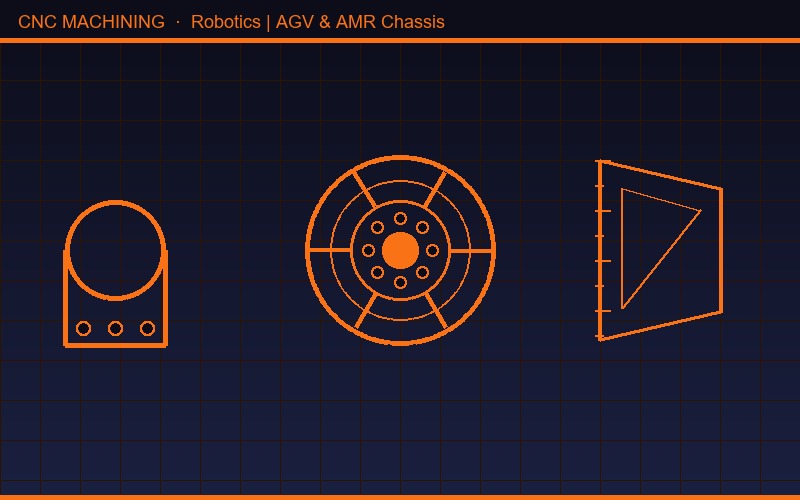
AGV & AMR Chassis

Wheel assemblies, steering knuckles, bumpers and sensor mounting plates for autonomous guided vehicles and mobile robots. We work in 6061-T6 aluminum, 304 stainless and impact-resistant engineering plastics β€” holding flatness on floor-contact mounting faces and concentricity on wheel bores so your navigation system runs true from the first test lap through production. Common features include precision-machined dovetail slides for height adjustment, threaded inserts for electronics mounting, and chamfered cable-routing channels. We support DFM for cable management and sensor placement from the first prototype review, reducing the number of design iterations your electrical-mechanical integration team needs to run.

Precision planetary gear reducer components

Planetary Gear Reducers

Sun gears, planet gears, ring gears and carrier housings for precision planetary gearboxes used in robot joint actuators. We hold Β±0.005 mm on tooth geometry datums, bore diameters and planet-pin locations β€” tolerances that determine whether your reducer achieves the backlash specification your motion-control engineer specified. We work in through-hardened and case-hardened steel (8620, 9310, 4340), stainless (440C, 17-4 PH), and aluminum bronze for the ring gear. All critical tooth surfaces are ground or super-finished to Ra 0.8 Β΅m or better. First-article inspection includes tooth-thickness measurement, center-distance verification, and backlash check on a mating gear set before the lot releases.

LIDAR and vision sensor mounting bracket

Vision & LIDAR Sensor Mounts

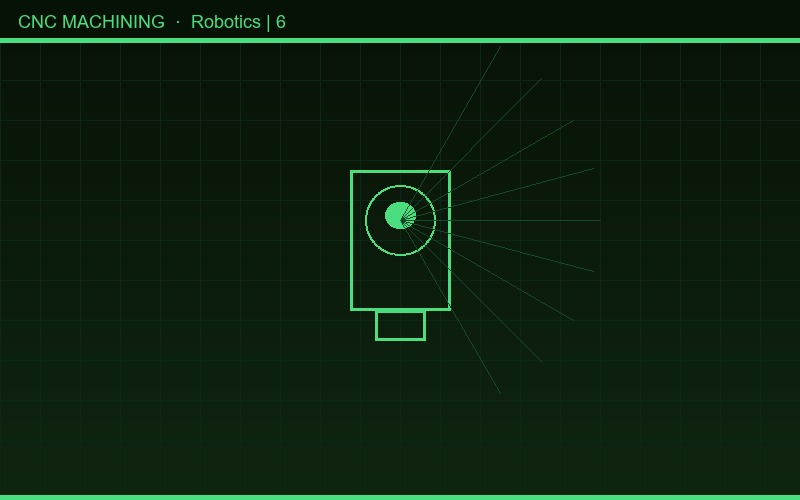
Camera brackets, LIDAR mounting plates, sensor clusters and optic housings for robot perception systems. The mount's stiffness and thermal stability determine whether your perception pipeline sees consistent data across the operating temperature range. We machine these in 6061-T6 and 7075-T6 aluminum with datum surfaces held to Β±0.01 mm, and we can specify invar or superinvar for thermal-critical optics mounts where the coefficient of thermal expansion governs the design. Threaded inserts for PCB mounting, precision pilot bores for lens barrels, and anti-rotation features are all standard. We can also machine cable-management features and ESD grounding points into the same part to reduce your assembly part count.

How we work

Materials, tolerances, collaboration

From collaborative arms on the production line to heavy-payload industrial cells and autonomous mobile platforms, robotic hardware places unusual stress on machined parts. Joints see cyclic load millions of times per cycle; gear cavities need to mesh cleanly at high RPM; every gram of unsprung mass on an end-effector costs motor budget. We machine for both ends of that spectrum β€” and the integration hardware in between β€” with a quality system that holds from the first article to the millionth unit.

Materials and tolerances

We routinely work in 7075-T6 and 6061-T6 aluminum, 17-4 PH and 15-5 PH stainless, and engineering plastics such as POM-C, PEEK and ULTEM. Typical tolerances land at Β±0.01 mm for gear bores and bearing seats, with surface finishes down to Ra 0.4 Β΅m where sealing surfaces demand it. For joints that see high cyclic load we can specify through-hardened surfaces, ion nitriding, DLC coating, or hard anodizing to extend service life without changing the base material.

How we collaborate

Most robotics customers start with our DFM review before any steel is cut. We flag interferences between your design and our tooling β€” chamfering, undercut access, draft for stamping β€” and feed suggested changes back into your STEP. From prototype batch through annual production, your parts run on the same calibrated equipment so you never see a dimensional shift between pre-production and SOP. We support your revision control with a per-project document archive that survives our standard 10-year retention window.

Surface treatment options

We offer a full range of post-machining surface treatments in-house or through certified partners: anodizing (Type II and Type III hardcoat), zinc/nickel plating, passivation, electropolishing, PVD coating and TiN hard coating. Match the treatment to the operating environment β€” corrosion-resistant for food-grade, low-friction for linear guides, wear-resistant for high-cycle joint interfaces. Our finishing coordinator manages the supply chain from machining through treatment through final inspection so you receive a complete part, not a collection of separate operations.

Custom Machined

Custom Machined Your Robotics Components

With an extensive history in prototyping robotics components, we bring a wealth of knowledge and expertise to every project. Send the CAD and the target outcome β€” engineering will reply with a focused quote within one business day, routed to the cell most familiar with this vertical.

Get a free quote